The Ultimate Guide to Choosing Cat Litter: A Complete Analysis of 4 Popular Types, and Why We Finally Recommend Tofu Cat Litter
As a cat parent, choosing cat litter is like picking diapers for your baby—get it right, and your home stays odor-free and cleaning is a breeze; get it wrong, and your cat may avoid the litter box, dust flies everywhere, and your wallet suffers.
With so many options on the market—bentonite, tofu, crystal, and mixed litter—which one is best for your cat?
Today, we’ll walk you through the pros and cons of each type, and by the end, you’ll understand why experienced cat parents eventually switch to tofu litter.
1. Four Main Types of Cat Litter, Each with Its Own Character
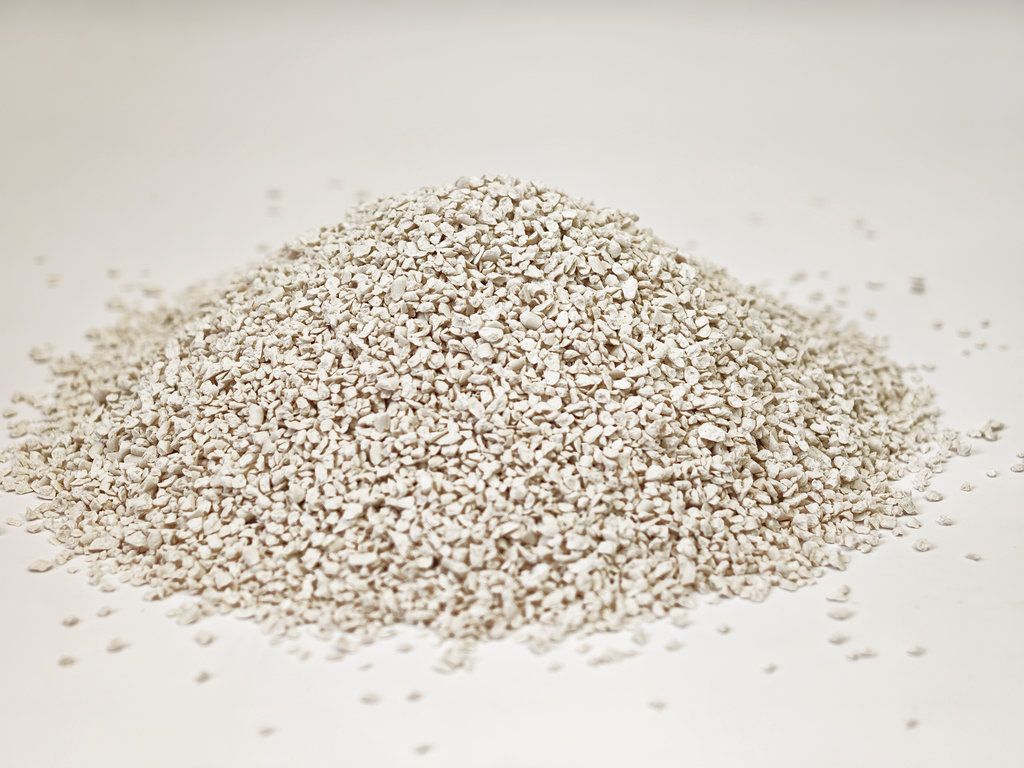
1. Bentonite Clay Litter
Pros: Forms very firm clumps, feels most like natural soil (high cat acceptance), inexpensive.
Cons: Generally dusty, which can make cats sneeze; heavy to carry; cannot be flushed down the toilet; trash bags get smellier over time.
Best for: Multi-cat households on a budget, or as a transition if your cat is very picky about paw feel.
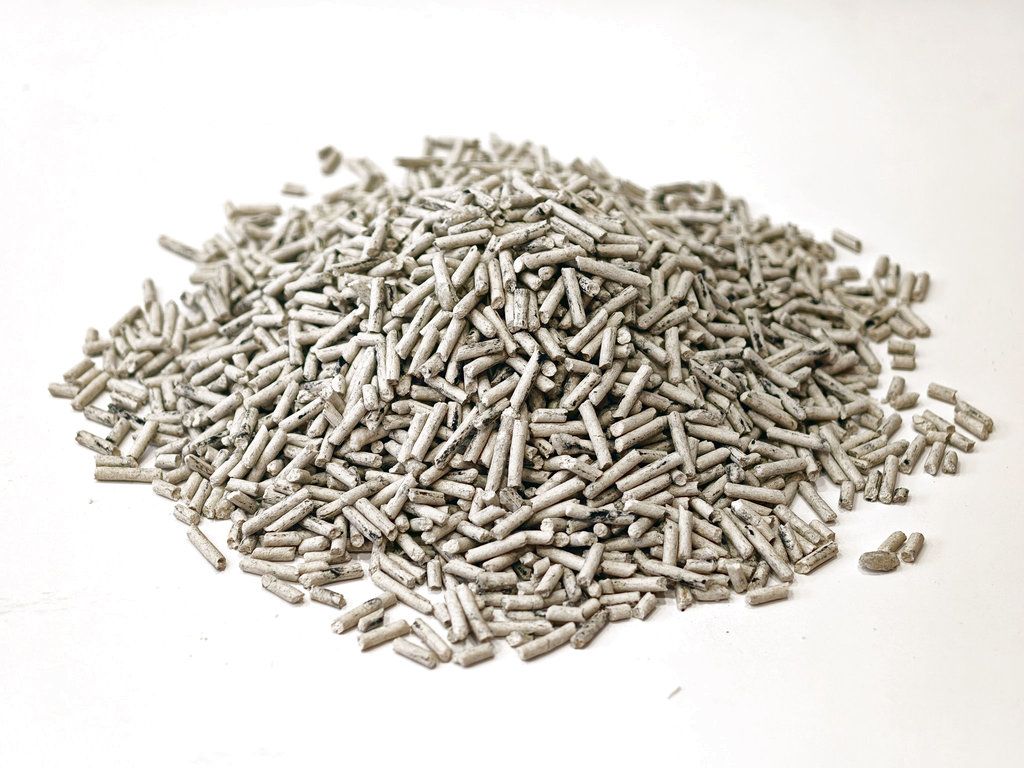
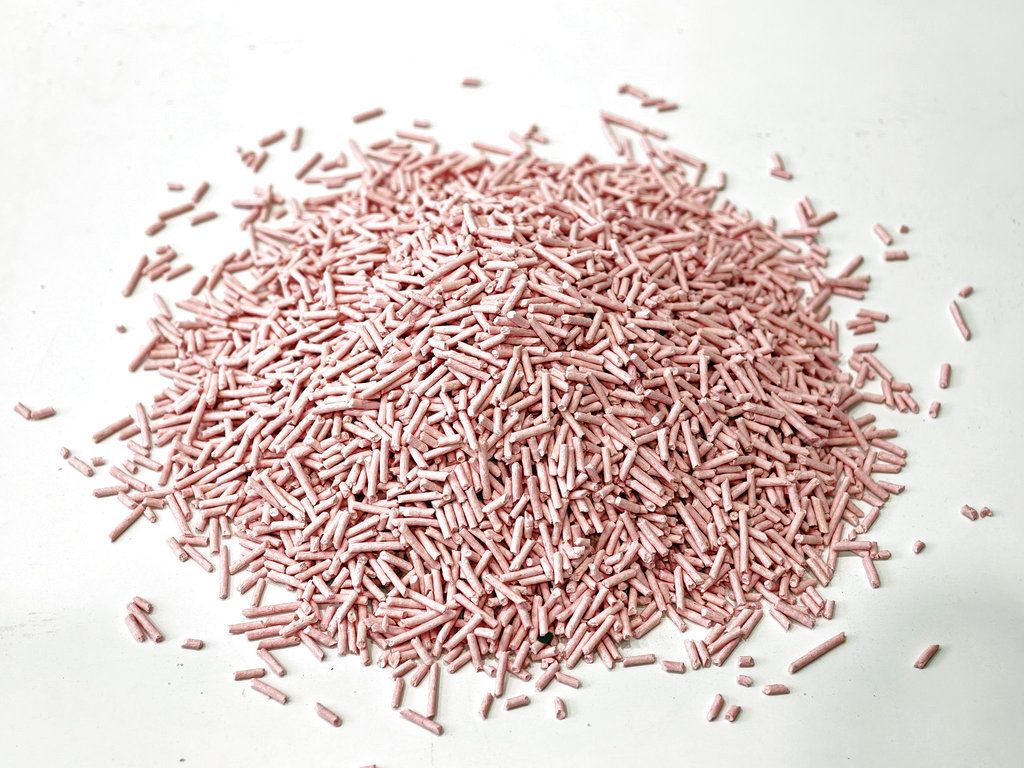
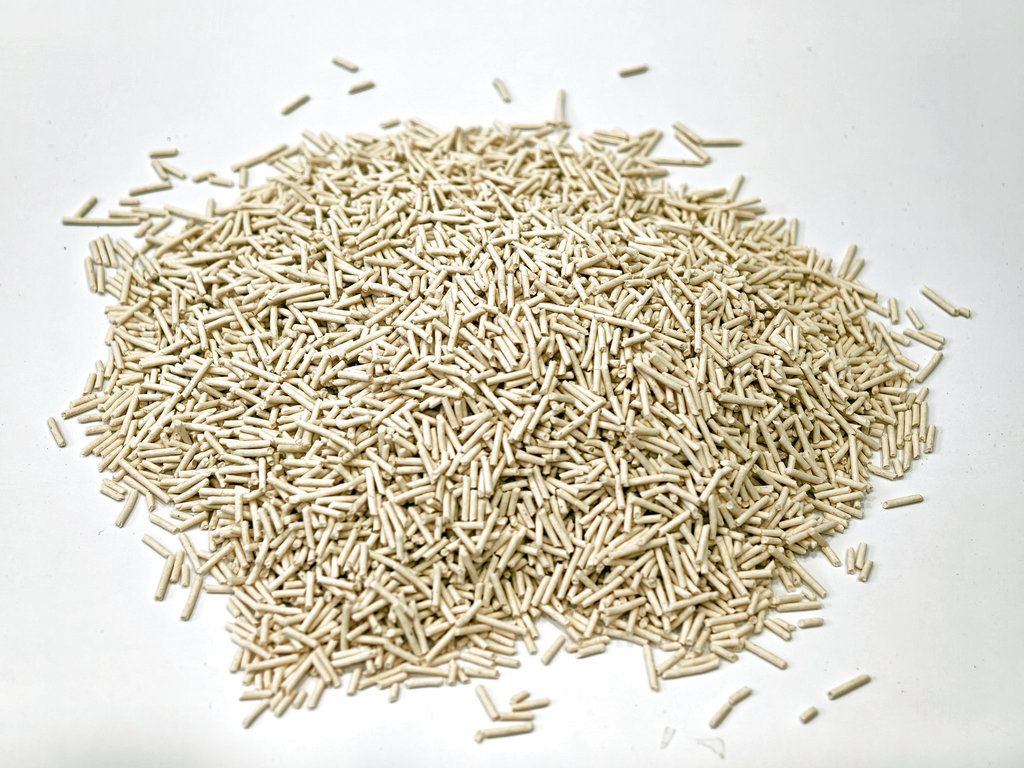
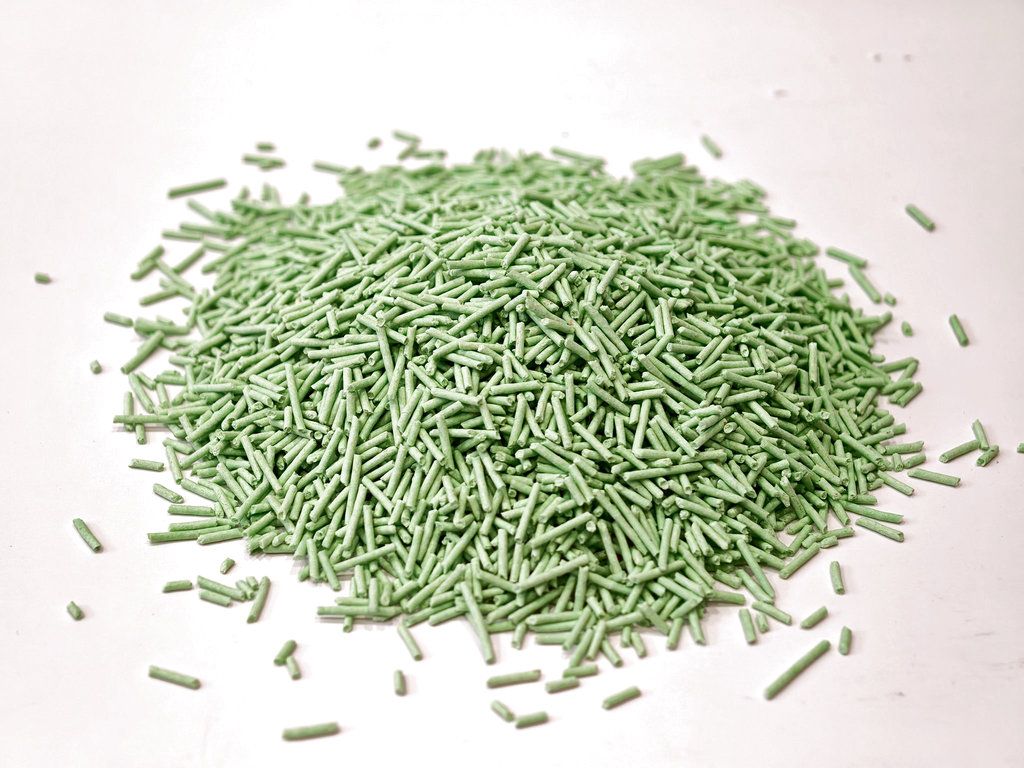
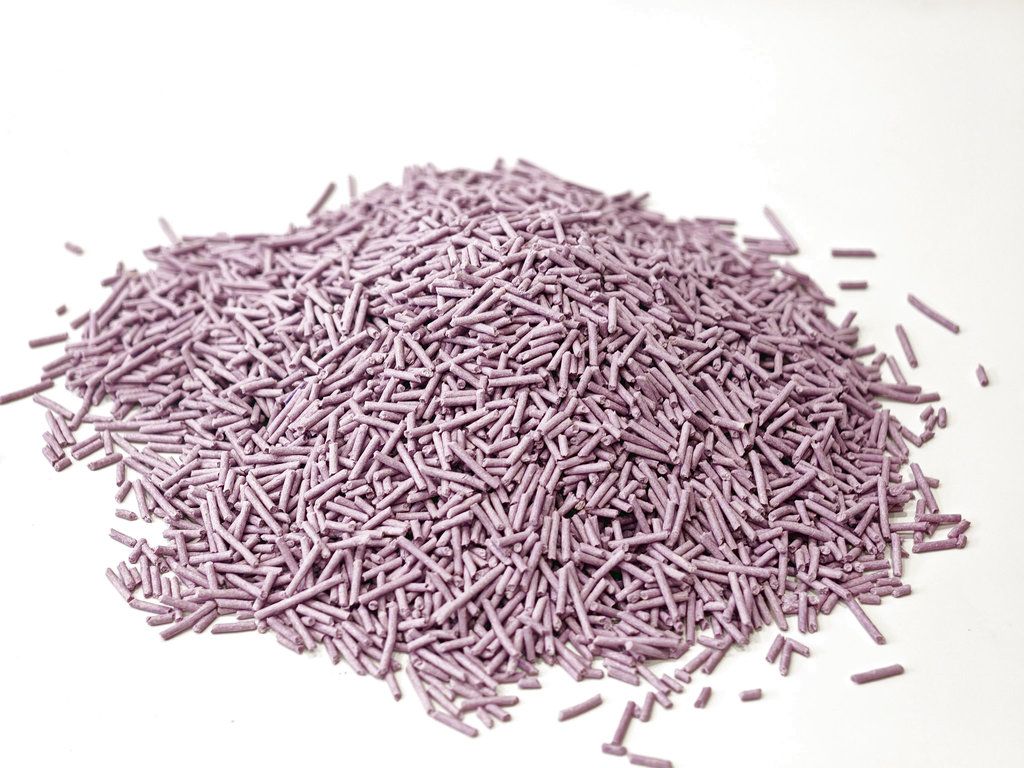
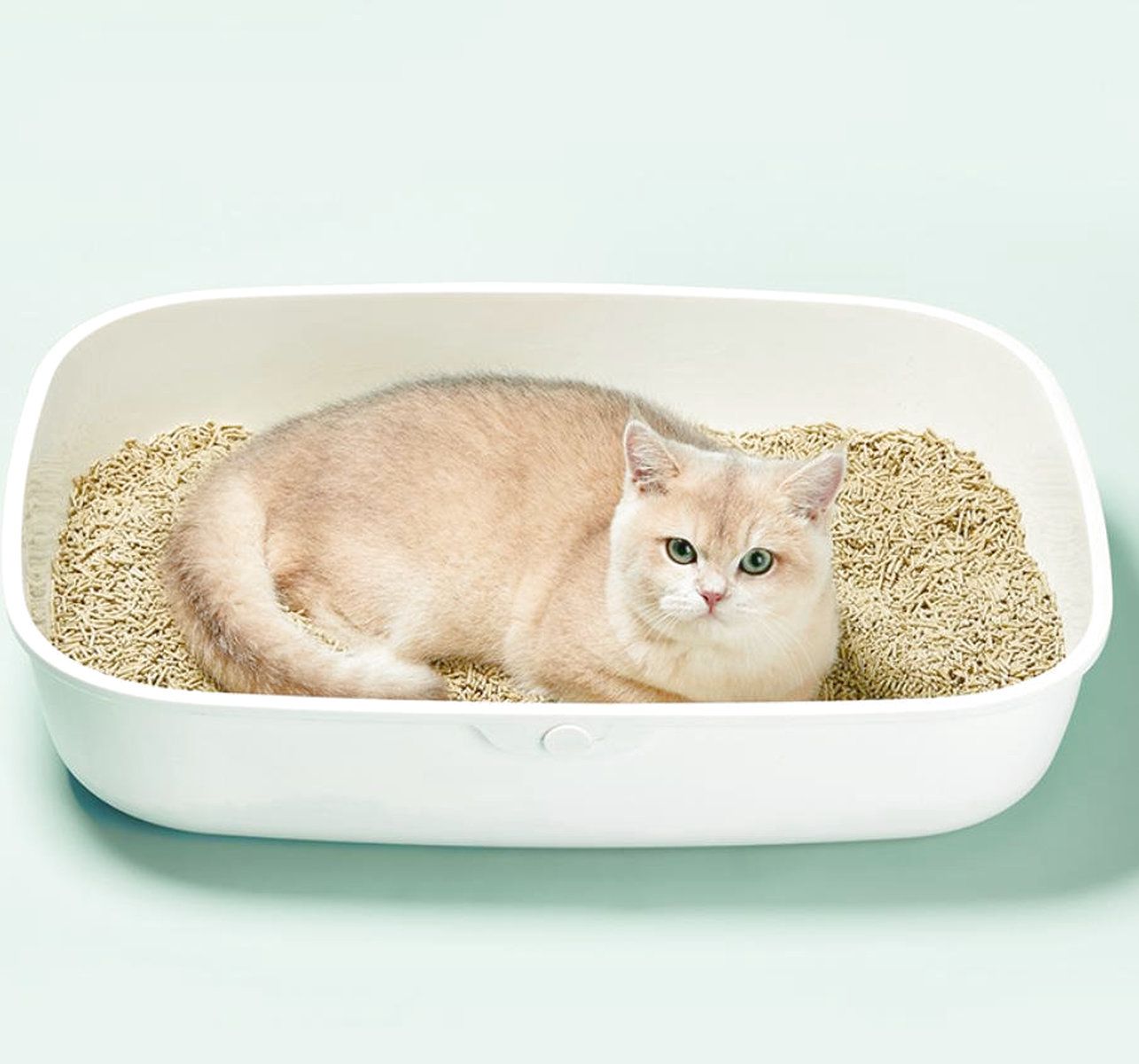
2. Tofu Cat Litter
Pros: Almost dust‑free, friendly to both cats’ and humans’ respiratory tracts; flushable (just scoop into the toilet); made from natural ingredients (pea fiber + corn starch), eco‑friendly and biodegradable; deodorizes by absorbing ammonia instead of masking smells with fragrances.
Cons: Slightly more expensive per bag than bentonite; may mold if stored improperly in humid climates (e.g., rainy season in the south).
Best for: The vast majority of indoor cat households—especially if you value hygiene and don’t want to carry heavy trash bags every day.
3. Crystal (Silica Gel) Litter
Pros: Highly absorbent, almost dust‑free, one bag lasts a long time.
Cons: Does not clump; urine pools at the bottom, causing odor to rise; cats may ingest the transparent crystals (safety risk); not flushable, not eco‑friendly.
Best for: Occasional short trips (but not recommended for long‑term use).
4. Mixed Litter
Pros: Usually a blend of tofu and bentonite, aiming to combine clumping ability and low dust.
Cons: Quality varies widely; many are just crushed tofu residue mixed with low‑grade bentonite; some mixed litters are not flushable; when you buy a good one, it works, but a bad one gives you the worst of both worlds.
Best for: Those who want a compromise, but you need to choose the brand carefully.
2. Why Do We Recommend Tofu Litter?
The three types above each have major drawbacks:
- Bentonite: Dust makes cats sneeze, and you inhale it too; carrying a bag up five floors feels like a workout.
- Crystal litter: Urine sits at the bottom releasing ammonia; cats stepping on wet crystals can develop paw infections.
- Mixed litter: Quality depends entirely on the manufacturer; many sell cheap bentonite + broken tofu crumbs under the “mixed” label.
High‑quality tofu litter, on the other hand, solves almost all these pain points:
✅ 1. Nearly Zero Dust – Good for Both Cats and Humans
Cats dig and bury their waste, and cats with sensitive respiratory systems (especially kittens and Persians) hate dusty litter.
Tofu litter is made from food‑grade pea fiber and corn starch, and undergoes multiple dust‑removal steps. When you pour it, you’ll see hardly any dust.
✅ 2. Flushable – A Lifesaver for Lazy Cat Parents
No more carrying heavy bags of poop and pee downstairs. Just scoop, dump into the toilet, and flush.
(But make sure it’s truly dissolvable tofu litter – it should break down quickly in water without clogging your pipes.)
✅ 3. Natural Deodorizing, Not Masking
Bentonite and crystal litters often use strong perfumes to cover up smells, which cats hate.
Tofu litter has a mild, natural bean scent and absorbs ammonia, reducing odors at the source. Cats don’t mind it, and it’s pleasant for humans.
✅ 4. Medium‑Soft Paw Feel – High Cat Acceptance
Hard crystals hurt paws, and fine dust (from cheap bentonite) sticks to claws.
Tofu litter pellets are smooth and round, like stepping on dry bean curd residue. Most cats accept it the first time they use it.
3. If Tofu Litter Is So Good, Why Is Some of It Hard to Use?
Because not all “tofu litter” is created equal.
Cheap tofu litter is mixed with industrial starch and low‑quality binders, leading to:
- Loose clumps that fall apart when scooped
- Sticking to the bottom and the scoop – a nightmare to clean
- Mold or bugs in humid conditions
What you need is tofu litter with: high pea‑fiber content + high‑quality guar gum + low moisture content.
4. That’s Why We Only Make “Our Tofu Cat Litter”
After testing dozens of formulas, we decided to focus on one thing only:
Make a tofu litter that makes you want to scoop every day and that your cat wants to use every day.
🌟 Our Tofu Cat Litter – Core Advantages
-
3‑second fast clumping, no sticking to the bottom
Our proprietary fiber‑to‑binder ratio creates clumps as firm as small stones. They don’t break apart and don’t stick to the litter box floor. -
99.5% dust‑free
Four stages of dust removal + sealed production lines. When you pour it into the box, you won’t see a single puff of dust. -
Imported extract deodorization
Instead of covering smells with fragrances, it breaks down ammonia and hydrogen sulfide. When you scoop, you only smell a light bean scent – no “punch in the face” odor. -
Flushable, passes toilet dissolution test
Begins to disintegrate in water within 20 seconds. Flushes cleanly – even old apartment toilets won’t clog. -
Food‑grade ingredients, safe if licked
Pea fiber, corn starch, and edible guar gum. Even if a kitten or pregnant cat accidentally swallows some, there’s no safety risk.
5. Switching to Tofu Litter – One Simple Thing to Do
If you’ve been using bentonite or crystal litter, use the gradual transition method for the first week:
30% tofu + 70% old litter → 50%/50% → 70% tofu + 30% old → 100% tofu
Most cats fall in love within a week – because the feel is comfortable, there’s no strong perfume, and the clumps don’t leave their paws wet.
6. Quick Q&A
Q: Can tofu litter get moldy?
A: High‑quality tofu litter has a moisture content below 10%. Stored in a sealed, cool, dry place, it lasts 12 months. We use double‑layer aluminum foil bags – even in the humid southern rainy season, no worries.
Q: Can I use it for kittens?
A: Absolutely. Dust‑free, safe if ingested, and small pellet size – it’s the top choice for kittens learning to use the litter box.
Q: Is it much more expensive than bentonite?
A: A single bag costs about $2‑3 more, but tofu litter absorbs more liquid, so one bag lasts longer. The daily cost difference is just a few cents – well worth it for a fresh‑smelling home.
This article is original content by [Sunbow Pet]. Sunbow Pet Quality Goods, Universal Love.